Cuan
|
the Irish word for haven or harbor
evoking a sense of calm and quiet.
What is an end-of-life doula?
Also sometimes called a “death doula” or “community deathcare worker,” all three terms are modern descriptors of a very old set of practices. There has been death care for as long as there have been people living together in community.
“End-of-life doulas provide non-medical, holistic support to individuals and families during life’s final transition. From diagnosis through active dying and beyond, doulas offer comfort measures, advocacy, and guidance to help create a meaningful and peaceful end-of-life experience. Working within established ethical standards, doulas focus on compassionate care that honors the dying person’s wishes and supports their loved ones through this important journey.“
Services
A hallmark of doula work is deep listening and a real respect for client dignity and choice. Examples of each offering are listed below to give a sense of what is possible, but any offering can be tailored to meet your individual needs and situation. If you don’t see a specific support you would be interested in listed, please reach out and ask.
All services (except respite care) are also available online via Zoom.
For those at the end of life:
- Companionship – A chance to check in and discuss whatever is on your mind, including questions about the process or telling stories as part of a life review. Support when other caregivers are absent, including light cooking and tidying. Reading aloud, putting on music or a TV program, whatever provides comfort.
- Planning – Support in implementing an existing advance care directive or creating one to meet your current needs. Exploring how you want to live until you die, what your values and priorities are for this time, as well as your memorial and disposition preferences.
- Legacy Projects – Maybe you are an excellent cook/baker and you wish to get all your recipes together and marked up to leave to your loved ones. Maybe you want to record a series of short interviews reflecting on your life and the wisdom you want to pass on. Legacy projects can look many different ways, as diverse and particular as the people creating them.
- Logistical Support & Care Coordination – Help with scheduling and organizing things like visits from the care team, pharmacy or supply runs, and social visits. Support in assembling important documents or putting together a NOK box. (link to NOK box https://www.thenokbox.com/) Connecting clients with a wide array of community resources, as requested.
- Vigil Work – The last few days or hours of life require extra attention and presence. Planning for this vigil time and sharing your preferences with the person or team you want with you can be very supportive.
For caregivers:
- Respite Care – Providing support when other caregivers are absent, including light cooking and tidying. Reading aloud, putting on music or a TV program, whatever provides comfort. A chance for the client to check in and discuss whatever is on their mind, including questions about the process or telling stories as part of a life review.
- Planning – Support in implementing an existing advance care directive or creating one to meet the client’s current needs. Exploring how they want to live until they die, what their values and priorities are for this time, as well as memorial and disposition preferences.
- Logistical Support & Care Coordination – Help with scheduling and organizing things like visits from the care team, pharmacy or supply runs, and social visits. Support in assembling important documents or putting together a NOK box. (link to NOK box https://www.thenokbox.com/) Connecting clients with a wide array of community resources, as requested.
- Vigil Work – The last few days or hours of life require extra attention and presence. Planning for this vigil time and understanding the client’s preferences can be very supportive.
For everyone:
Advance Care Planning (ACP) is a preparatory process for managing decisions about medical (and other) care when you are unable to communicate for yourself. Anyone, regardless of age or health status, can create an Advance Care Plan and they are easily updated if circumstances change over time.
“Research shows that you are more likely to get the care you want if you have conversations about your future medical treatment and put a plan in place. It may also help your loved ones grieve more easily and feel less burden, guilt, and depression.“
There are three main components to creating an Advance Care Plan and I offer doula support for each:
- Exploration – Discussing the big questions: How do you want to live until you die? What are your values and priorities for yourself for this time of life? What are your memorial and disposition preferences? What supports would you like to have in place for this time?
- Documentation – Emotional and logistical support in completing an advance care directive or other relevant end-of-life paperwork. Referrals to other community resources, such as attorneys, estate planners, and so on.
- Discussion & Information Sharing – Once your plan is complete, assistance in sharing it.
About Me
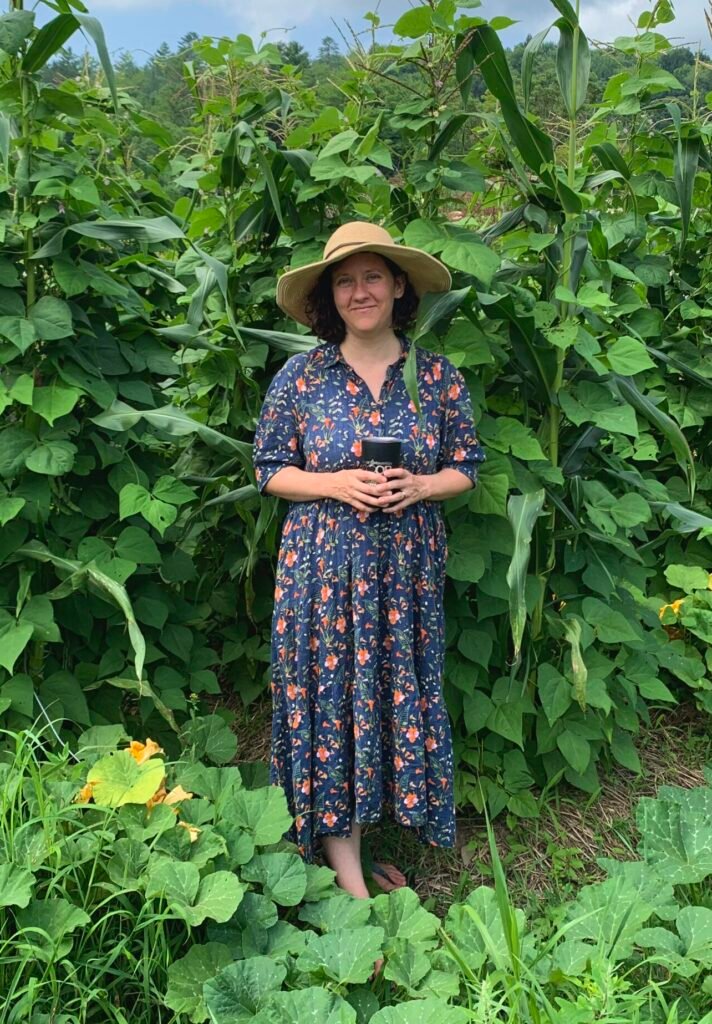
The end of life can be overwhelming and fearful time for many people. How we care for our dying has changed rapidly in a handful of generations and our current systems of care tend to be narrow in their focus. Trying to attend to the many dimensions of support needed at end of life -physical, mental, spiritual, social, logistical – can leave caregivers run ragged.
I was fortunate to grow up in a time and a place where many deaths still happened at home. Some of the most meaningful moments of my younger life were the days or weeks I was able to spend with the people in my community as they made that transition. I learned so much about what a human life is through those experiences and what kind of human I wanted to be.
It was later that I came to realize it was the web of support, more than the location, that made those experiences so profound. Different people played different roles. Some could talk through the big questions – “How do you want to live until you die? What do you value? What do you want to leave behind for those you love?” – with ease. Some were excellent at organizing pharmacy runs and meal trains. Some brought a quiet presence that steadied everyone else. The example of those many people informs all the work I do today. After many years of providing community death care for friends and family, I completed the University of Vermont End-of-Life Doula Professional Certificate course in 2024 in order to be able to offer these services more widely. It is my profound honor to walk alongside people through their final phase of life.
I live in Montpelier, Vermont with my husband, Andrew, and our dear kitty, Aoife. I am happiest next to any body of water and spend my free time gardening, knitting, and learning to speak Irish.
Book With Me
In-person services are available to the greater Central Vermont region. All services (except respite care) are also available online via Zoom.
What to expect:
click to expand ↓
- After you contact me, the first step is scheduling a free, 30 minute phone call. The call is an opportunity to ask any questions you have and see if what I offer is a good fit for you.
- The next step is to schedule an intake session that lasts from 30 to 90 minutes. This can be in person or over Zoom.
- Then I will create a contract outlining the services we’ve agreed on, rates and payment, and any other pertinent details.
- Once that is signed, we will decide on the schedule that works best and begin.
- Each session will begin with a brief check in about how best to use our time given present circumstances.
- After you contact me, I will send you an informational form and an intake form to fill out.
- Once received, I will respond with scheduling details and we will find a time to meet and begin the work (in person or over Zoom).